
25 Best Salsa Songs of All Time, Ranked

Our ranking of the 25 salsa songs that shaped the genre, from Tito Puente's 1962 Oye Como Va to Bad Bunny's 2025 BAILE INoLVIDABLE, which reached No. 2 on the Billboard Hot 100.

The short answer

Pedro Navaja by Willie Colón and Rubén Blades (1978) is widely considered one of the greatest. It's a seven-minute narrative masterpiece from the album Siembra, with the iconic line "La vida te da sorpresas."
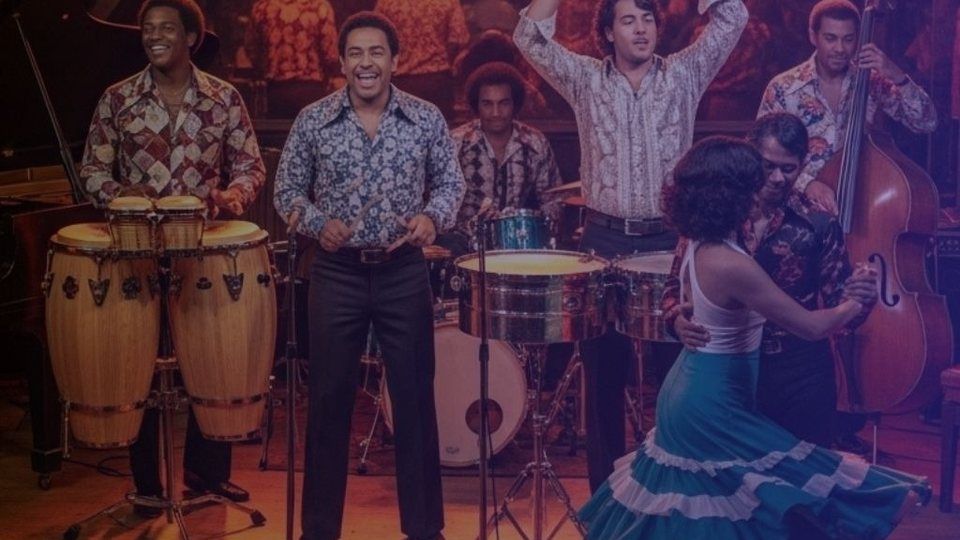
Salsa band playing congas and bass on stage

Best salsa songs at a glance

Number 1 pickPedro Navaja by Willie Colón and Rubén Blades, from Siembra (1978)
Oldest recording on the listOye Como Va, Tito Puente's 1962 cha-cha-chá
Newest songBAILE INoLVIDABLE by Bad Bunny (2025), No. 2 on the Billboard Hot 100
Most heard voiceHéctor Lavoe, who sings on at least six of the 25 picks
Best-selling album on the listSiembra (1978), home of Pedro Navaja and Plástico, over three million sold
Colombian picksEl Preso, Rebelión and Cali Pachanguero, from 1975 to 1986

The Ranking

A few ground rules. This isn't a streaming-numbers list. It's not a "most played at weddings" list. It's a list of songs that matter. Songs that changed something about salsa, defined an era, created a new standard, or became so embedded in Latino culture that imagining the world without them feels wrong. Some are dance floor bangers. Some are seven-minute narratives. All of them are essential.

#1 Pedro Navaja

Willie Colón & Rubén Blades (1978)
There is no argument here. Seven minutes of New York City streets, a switchblade, a twist ending, and its signature line: "La vida te da sorpresas." The Siembra album sold more copies than any salsa record before it, and this track is considered one of its greatest songs. Blades wrote a short film. Colón produced it, and Luis "Perico" Ortiz arranged a masterpiece. It's the song you play when someone asks you "what is salsa?"

#2 Quimbara

Celia Cruz & Johnny Pacheco (1974)
The word "Quimbara" doesn't translate into any language. It doesn't need to. It's the sound of a party starting. Celia Cruz's voice over Johnny Pacheco's flute, calling people to enjoy the rumba and dance. More than fifty years old and still the first song a DJ plays when the salsa set gets serious.

#3 El Cantante

Héctor Lavoe (1978)
Written by Rubén Blades for himself, then given to Lavoe at Willie Colón's request and transformed by Lavoe into autobiography. The most honest song about what it costs to be an entertainer. It became Lavoe's signature song, and in 2024 it was added to the National Recording Registry.

#4 Vivir Mi Vida

Marc Anthony (2013)
Over 1.3 billion views on the official YouTube video by November 2026. Number one for 17 weeks on Billboard's Hot Latin Songs chart. The song that proved modern salsa could compete globally with any genre. Adapted from Khaled's "C'est la Vie" and turned into salsa's most universal anthem. If you've been to any Latin celebration in the last decade, you've heard the "la la la la."

#5 La Vida Es Un Carnaval

Celia Cruz (1998)
Celia was in her early 70s when she recorded this. She had survived exile, the death of her mother while she was barred from Cuba, and five decades in an industry that forgets people in six months. And her message was: don't cry, life is a carnival. That wasn't optimism. That was defiance.

#6 Periódico de Ayer

Héctor Lavoe (1976)
"Tu amor es un periódico de ayer, que nadie más procura ya leer." Your love is yesterday's newspaper. Nobody reads yesterday's news. Lavoe sang Tite Curet Alonso's breakup song, one of the coldest metaphors in salsa. The arrangement is tight, the delivery is devastating, and the song is known as one of the most popular salsa songs ever. That's how you know a song mattered.

#7 Llorarás

Dimensión Latina with Oscar D'León (1974)
The ultimate "you'll regret losing me" song. Oscar D'León's vocal performance is somewhere between joyful and furious, the sound of a man who's already won and wants you to know exactly how much you lost. D'León wrote it as album filler, and it became Dimensión Latina's best-selling single. Proof that a good breakup song never expires.

#8 El Preso

Fruko y sus Tesos (1975)
Colombian salsa at its rawest. A prisoner sings about his life behind bars with a melody so catchy you forget you're listening to a man describe incarceration. The contradiction is intentional. Fruko understood that the best salsa forces you to dance to uncomfortable truths.

#9 Aguanile

Héctor Lavoe & Willie Colón (1972)
Built on a Santería chant, "Aguanile" blends Afro-Cuban spiritual tradition with New York street salsa. The title itself comes from Yoruba religious tradition. Lavoe and Colón turned a prayer into a dance floor standard without losing any of its spiritual weight. The trombone arrangement is Willie Colón at his most inspired.

#10 BAILE INoLVIDABLE

Bad Bunny (2025)
It reached No. 2 on the Billboard Hot 100 in February 2026, after his Super Bowl halftime show. Over 1.8 billion Spotify streams by November 2026. Performed by young musicians from Puerto Rico's Escuela Libre de Música. Bad Bunny proved that a genuine salsa song, with real instrumentation and traditional structure, could compete with anything in pop music. Every ranking of salsa songs from this point forward will include it.

#11 Idilio

Willie Colón (1993)
Willie Colón recorded this in 1993, with Cucco Peña, for the album Hecho en Puerto Rico. The song itself is far older: Puerto Rican composer Alberto "Tití" Amadeo wrote it in the late 1930s. By then a veteran bandleader, Colón gave that old song a new life.

#12 Las Caras Lindas

Ismael Rivera (1978)
"Las caras lindas de mi gente negra." The beautiful faces of my Black people. Ismael Rivera sang the Afro-Latino pride anthem, written by Tite Curet Alonso. The song celebrates Blackness in a genre that often tried to distance itself from its African roots. Rivera refused. He pointed at the root and called it beautiful.

#13 Quítate Tú

Fania All-Stars (1971)
"Move aside." Lavoe's turns in this live jam, where the Fania All-Stars singers trade improvised verses, are pure confidence, the sound of a man who knows he belongs at the top and isn't interested in being polite about it. The arrangement swings hard, and the call-and-response with the coro is some of the best in Fania history.

#14 Plástico

Rubén Blades & Willie Colón (1978)
The other landmark track from Siembra. Blades takes aim at consumerism, fake people, and cultural imperialism over a driving salsa groove. The song ends with a spoken roll call of Latin American countries, building a pan-Latino identity through geography. It was political salsa, on the best-selling salsa album of all time.

#15 Ven Devórame Otra Vez

Lalo Rodríguez (1988)
"Come devour me again." The salsa romántica movement in one song. Lalo Rodríguez pushed salsa into explicitly sensual territory with a vocal performance that was both tender and intense. This song became a prime example of salsa romántica and won Tropical Song of the Year at the Lo Nuestro Awards.

#16 Mi Gente

Héctor Lavoe (1975)
"My people." Johnny Pacheco wrote it, and Lavoe sang it as a love letter to the community that raised him and nurtured salsa. The song is pure warmth, a celebration of belonging that transcends any specific neighborhood or nationality. It became one of Lavoe's signature songs.

#17 Valió la Pena

Marc Anthony (2004)
"It was worth it." Marc Anthony's other essential salsa track, the title song of a 2004 album that recast songs from his pop album Amar Sin Mentiras as salsa. The song proved he hadn't abandoned salsa. The arrangement is classic, the vocal is soulful, and the chorus gets stuck in your head for days. Some people consider it better than "Vivir Mi Vida," and they can make a reasonable case.

#18 Oye Como Va

Tito Puente (1962)
Yes, Santana made it famous. But Tito Puente wrote it, and Puente's original cha-cha-chá arrangement is the one with the clave. Two chords, one groove, and the timbales driving everything. It's one of the best-known melodies in Latin music, and it started with El Rey de los Timbales.

#19 Rebelión

Joe Arroyo (1986)
Colombian salsa's greatest protest song. Arroyo tells the story of enslaved Africans in Cartagena fighting back against a slave master who beats a woman. The song, with its refrain "No le pegue a mi negra," became an anthem of Black pride in Latin America. The song is a reminder that salsa has always been capable of carrying revolutionary content when the artist is brave enough to write it.

#20 Cali Pachanguero

Grupo Niche (1984)
The anthem of Cali, Colombia, the self-proclaimed salsa capital of the world. Whenever a Colombian hears this song in any city on earth, they lose their mind. It's not just a song. It's a geographic identity compressed into one song.

#21 Decisiones

Rubén Blades (1984)
Three stories about ordinary people making choices that will change their lives. Each one carries a cost, and the last ends in a fatal crash. Blades films these miniature tragedies with a journalist's eye and sets them to a groove that won't let you stop moving. You're dancing to other people's worst days, and somehow it works.

#22 Desnúdate Mujer

Frankie Ruiz (1987)
El Papá de la Salsa, a major figure of salsa romántica, at his smoothest. Frankie Ruiz redefined what a salsa singer could be: not a shouter, not a virtuoso, but a seducer. His voice was silk, and "Desnúdate Mujer" was his best tailored suit.

#23 Chan Chan

Buena Vista Social Club / Compay Segundo (1997)
Technically son cubano, not salsa. But the Buena Vista Social Club album sold over eight million copies by 2020, and "Chan Chan" was its opening track. Compay Segundo had written it years earlier, but the Ry Cooder-produced recording made it immortal.

#24 Juanito Alimaña

Héctor Lavoe (1983)
Another street-level narrative, this one about a neighborhood hustler that everybody knows, the thief who robs at will and threatens anyone who tries to have him jailed. Lavoe delivers it with a smirk in his voice. You can tell he grew up with a Juanito Alimaña on his block. Everybody did.

#25 La Murga

Willie Colón & Héctor Lavoe (Asalto Navideño, 1970)
The sound of a Panamanian street parade compressed into a salsa track. Colón and Lavoe took the murga tradition, with its horns and drums, and layered it over a New York salsa arrangement. The result is pure carnival energy. It closes this list the way every great salsa night should end: with everyone in the room dancing together, pretending the sun isn't about to come up.

Honorable Mentions

Twenty-five spots aren't enough. These songs almost made it: "Sonido Bestial" (Richie Ray & Bobby Cruz), "El Gran Varón" (Willie Colón), "Tu No Sabes Querer" (Lalo Rodríguez again, because he deserves two spots), and "Brujería" (El Gran Combo). If you disagree with any ranking on this list, good. Start your own. That's how salsa stays alive.

Frequently asked questions

What is the greatest salsa song of all time?

Pedro Navaja by Willie Colón and Rubén Blades (1978) is widely considered one of the greatest. It's a seven-minute narrative masterpiece from the album Siembra, with the iconic line "La vida te da sorpresas."

What are the most popular salsa songs for dancing?

Vivir Mi Vida (Marc Anthony), Quimbara (Celia Cruz), La Vida Es Un Carnaval (Celia Cruz), Llorarás (Oscar D'León), Aguanile (Héctor Lavoe), and El Preso (Fruko) are the tracks DJs reach for when the floor needs to move.

What salsa songs should a beginner listen to first?

Start with Pedro Navaja, Quimbara, Vivir Mi Vida, El Cantante, and La Vida Es Un Carnaval. Those five songs represent the full range of the genre and give you a foundation for everything else.

What is the newest salsa hit?

BAILE INoLVIDABLE by Bad Bunny (2025) is one of the biggest modern salsa hits, with over 1.8 billion Spotify streams by November 2026. It reached No. 2 on the Billboard Hot 100 in February 2026.

What makes a great salsa song?

Strong clave foundation, compelling vocals (especially in the montuno section), memorable horn arrangements, and lyrics that connect emotionally. The best salsa balances danceability with depth.

Sources