
What Is Descarga Music? The Latin Jam Session That Shaped Salsa
Behind closed doors, Cuba's greatest musicians got together and improvised some of the most electric music ever recorded. That tradition is called descarga.
The short answer
A descarga ("discharge") is a Latin jam session where musicians improvise over the clave and established rhythmic patterns. No rehearsed arrangements, just spontaneous musical conversation. Israel "Cachao" López is credited as the father of the descarga.
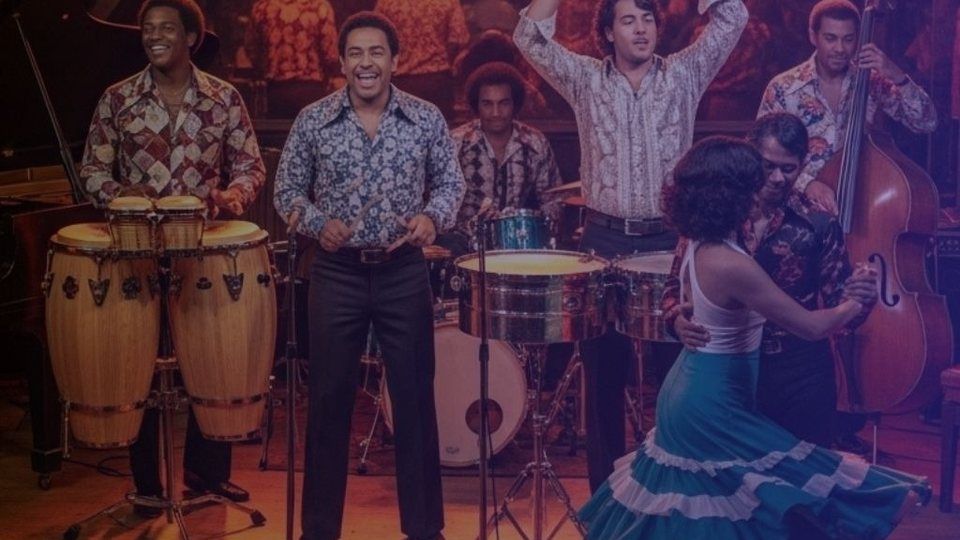
Descarga at a glance
| Origin | Havana, Cuba |
|---|---|
| Era | Mid-1950s, when Cachao organized late-night Havana recording sessions |
| Key instruments | Congas, timbales, bongos, bass, piano |
| Sound and feel | Improvised jam over the clave, no rehearsed arrangements, spontaneous musical conversation |
| Key artists | Israel "Cachao" López |
| Essential listening | Descargas: Cuban Jam Sessions in Miniature (Cachao), Descargas at the Village Gate (Tico All-Stars) |
| Related styles | Salsa, montuno |
What Is Descarga?
Descarga literally translates to "discharge" or "unloading" in Spanish. In musical terms, it's a Latin jam session where musicians get together and improvise over established rhythmic patterns. No set arrangements. No rehearsed parts. No charts on music stands. Just musicians feeding off each other in real time, held together by the clave.
Think of a descarga as the jazz jam session's Latin cousin. In jazz, musicians improvise over chord changes. In a descarga, musicians improvise over the clave and the montuno pattern. The rhythmic foundation stays locked, and everything on top is spontaneous creation.
Descargas represent the purest form of musical conversation in Cuban music. There are no arranged parts to hide behind, no safety net. Your musicianship is completely exposed, and the only thing that matters is how well you listen, how well you respond, and how creatively you can build on what the other musicians are doing.
Cachao: The Father of the Descarga
Israel "Cachao" López is universally credited as the father of the descarga. Born in Havana in 1918, Cachao was a bassist, composer, and bandleader with a resume that reads like a history of Cuban music itself.
Cachao (along with his brother Orestes) helped develop the mambo in the late 1930s. He was a classically trained musician who played in the Havana Philharmonic for decades while simultaneously being one of the most important figures in Cuban popular music. The combination of classical discipline and street-level Cuban musical knowledge made him uniquely equipped to create the descarga format.
In the mid-1950s, Cachao organized a series of late-night recording sessions in Havana studios. He gathered the best musicians on the island, set up the microphones, established a rhythmic pattern and a key, and then let the music happen. The resulting album, "Cuban Jam Sessions in Miniature" (also known as "Descargas"), captured some of the most electrifying, spontaneous Latin music ever put on tape.
These sessions were raw, loose, and brilliantly creative. Musicians traded solos, built on each other's ideas, pushed the energy higher and higher, and discovered musical combinations that no amount of pre-planning could have produced. The recordings crackle with the excitement of musicians discovering something in real time.
Cachao continued recording descargas throughout his career, eventually moving to Miami where he continued the tradition until his death in 2008. The 1993 documentary "Cachao: Como Su Ritmo No Hay Dos" (directed by Andy Garcia) helped bring renewed attention to his work and legacy.
How a Descarga Works
A descarga follows a loose but important framework:
- Rhythmic foundation: The rhythm section (congas, timbales, bongos, bass) establishes the groove. The clave pattern locks everything in, and the bass plays either a tumbao (repeating bass pattern) or follows the chord changes.
- Piano montuno: The pianist plays a repeating montuno pattern that provides harmonic and rhythmic structure for everyone else to play over.
- Solos: Musicians take turns soloing. A trumpet player might take four or eight choruses, then hand off to the flute, then the piano, then the congas. The solos can go anywhere musically, as long as they stay in clave.
- Building: The best descargas build in intensity. They start relaxed, maybe just bass and congas, then gradually add instruments and energy. The soloists push each other to play harder, more creatively, more intensely. By the end, everyone is playing at full capacity and the room is on fire.
- Communication: Musicians signal each other in real time. A horn player might play a riff that the pianist picks up. The drummer might shift the feel and everyone responds. This nonverbal communication is the essence of the descarga. You're not following a chart. You're having a conversation.
The Essential Descarga Recordings
If you want to hear what the descarga tradition sounds like at its best, start with these:
- "Descargas: Cuban Jam Sessions in Miniature" by Cachao (1957): The album that defined the genre. Raw, electric, and still thrilling to listen to decades later.
- "Descargas at the Village Gate" by Tico All-Stars (1961): A live descarga recorded in New York, showing how the tradition translated to the city's Latin music scene.
- "Master Sessions Vol. 1 & 2" by Cachao (1994-95): Cachao's late-career return to the descarga format, recorded in Miami with a new generation of musicians. Won a Grammy.
- Various Fania All-Stars live recordings: The Fania All-Stars concerts, especially the legendary events at the Cheetah club and Yankee Stadium, included extended descarga sections where the era's greatest soloists traded licks.
The Descarga Spirit Inside Salsa
Every great salsa performance contains a piece of the descarga.
The montuno section of a salsa song, where the singer starts improvising over the coro and the band rides the groove, is essentially a controlled descarga within a structured song. The singer's soneos are improvisations. The instrumentalists may trade short solos. The energy builds and builds, just like in a pure descarga.
Many of the greatest salsa musicians sharpened their skills in descarga sessions. Playing in a descarga demands a level of listening, responsiveness, and creative spontaneity that rehearsed performances simply don't require. The musicians who cut their teeth in descargas brought that sharpness and spontaneity to everything else they played.
Live salsa concerts often include explicit descarga moments. The band might break into an open section where the conguero takes an extended solo, then the pianist, then the trumpet section trades phrases. These moments are the highlights of live salsa, the parts where the music feels most alive, most unpredictable, most human. And they're directly descended from what Cachao started in those Havana studios in the 1950s.
Descargas Today
The descarga tradition continues. In cities with active Latin music scenes (New York, Miami, Havana, Los Angeles, San Juan), musicians still gather for informal jam sessions where the descarga format lives on.
Some venues host regular "descarga nights" where professional Latin musicians come to play without a setlist, without rehearsal, just music in the moment. These events are some of the most exciting Latin music experiences available because you never know what's going to happen. The musicians don't know either, and that's the point.
For listeners and fans, seeking out live descargas (or listening to the classic recordings) is one of the best ways to understand what makes Latin music special at its core. Arrangements are impressive, compositions are beautiful, but there's something about the raw, in-the-moment creativity of a great descarga that nothing else can replicate.
That's the gift Cachao gave the world. Not just a format, but a philosophy: trust the musicians, trust the clave, and let the music take you where it wants to go.
Frequently asked questions
What is a descarga?
A descarga ("discharge") is a Latin jam session where musicians improvise over the clave and established rhythmic patterns. No rehearsed arrangements, just spontaneous musical conversation. Israel "Cachao" López is credited as the father of the descarga.
Who invented descarga?
Israel "Cachao" López organized the first formal descarga recordings in 1950s Havana. His "Cuban Jam Sessions in Miniature" album defined the format and captured electrifying spontaneous performances by Cuba's greatest musicians.
How does descarga relate to salsa?
The montuno section of every salsa song is essentially a controlled descarga. The improvisational spirit, the trading of solos, and the building of energy that define a descarga are the same elements that make the best salsa performances electric.
Where can I hear a live descarga today?
Live descargas happen regularly in cities with active Latin music scenes. New York, Miami, Havana, Los Angeles, and San Juan all have venues that host "descarga nights" where professional musicians gather to jam without setlists. Latin music festivals and salsa congresses often include descarga segments. Check local Latin music venues for jam session nights.