Classic orchestral score
A full orchestra, often with choir, and themes for characters and places: from King Kong and Robin Hood to Star Wars.

Genre guide
The sound of stories: orchestra, choir and synthesizers, from silent films and Hollywood's golden age to trailer music, video game scores and the epic music people stream on its own.
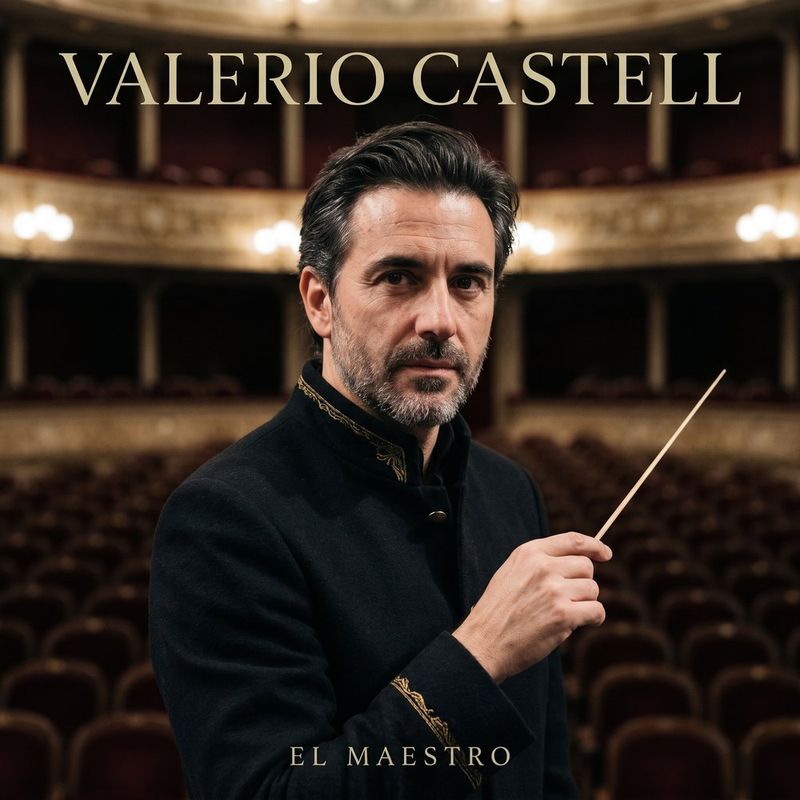
Cinematic music is music written for films, or in the style of film scores, to tell a story and stir emotion. It is usually orchestral and mostly instrumental, often with choir, big percussion and modern synthesizers. Today you hear it in films, trailers, video games and concerts, and many people stream it on its own.
Film music began before films could talk. So-called silent films were accompanied live by a pianist, a theatre organist or an orchestra, and the first full scores written for films came in 1908. When sound arrived, Max Steiner's score for King Kong (1933) became a landmark in matching music to the action, with an eighty-piece orchestra and themes for the leading characters, and Erich Wolfgang Korngold's The Adventures of Robin Hood (1938) set the symphonic style of Hollywood's golden age.
The music soon had a life of its own. Ennio Morricone reinvented the western in the 1960s, and John Williams brought the grand orchestral score back with Star Wars (1977), the best-selling symphonic album of all time. From the 1980s Hans Zimmer fused the orchestra with synthesizers and electronic sound, the hybrid orchestral style that trailers made famous. Trailer music libraries began releasing their music to the public, and "epic music" became a genre people listen to on its own.
Today cinematic music fills concert halls, from film nights to video game concerts, and streaming playlists for studying and focus. Spain has its own stars, led by Alberto Iglesias, with four Oscar nominations and a record twelve Goya Awards for best original score.
One storytelling language, many sounds: the classic symphonic score, the hybrid orchestra, trailer and epic music, quiet minimalism and the music of games.
A full orchestra, often with choir, and themes for characters and places: from King Kong and Robin Hood to Star Wars.
The orchestra joined by synthesizers, samples and sound design, the sound Hans Zimmer carried from the 1980s to Inception, Interstellar and Dune.
Scores built on synthesizers, common in 1970s and 1980s thrillers and horror films such as The Terminator.
Music made to sell films in previews, in a sound-design driven, hybrid orchestral style with big choirs, drums and low brass hits.
Trailer-style music released for listeners in its own right, orchestral and choral with song-like structures, made famous by Two Steps from Hell.
Quieter scores of repeated phrases and slowly shifting layers, from Philip Glass to Max Richter.
From early chiptune to full orchestral scores that change with the player, now played in concert halls around the world.
Creator
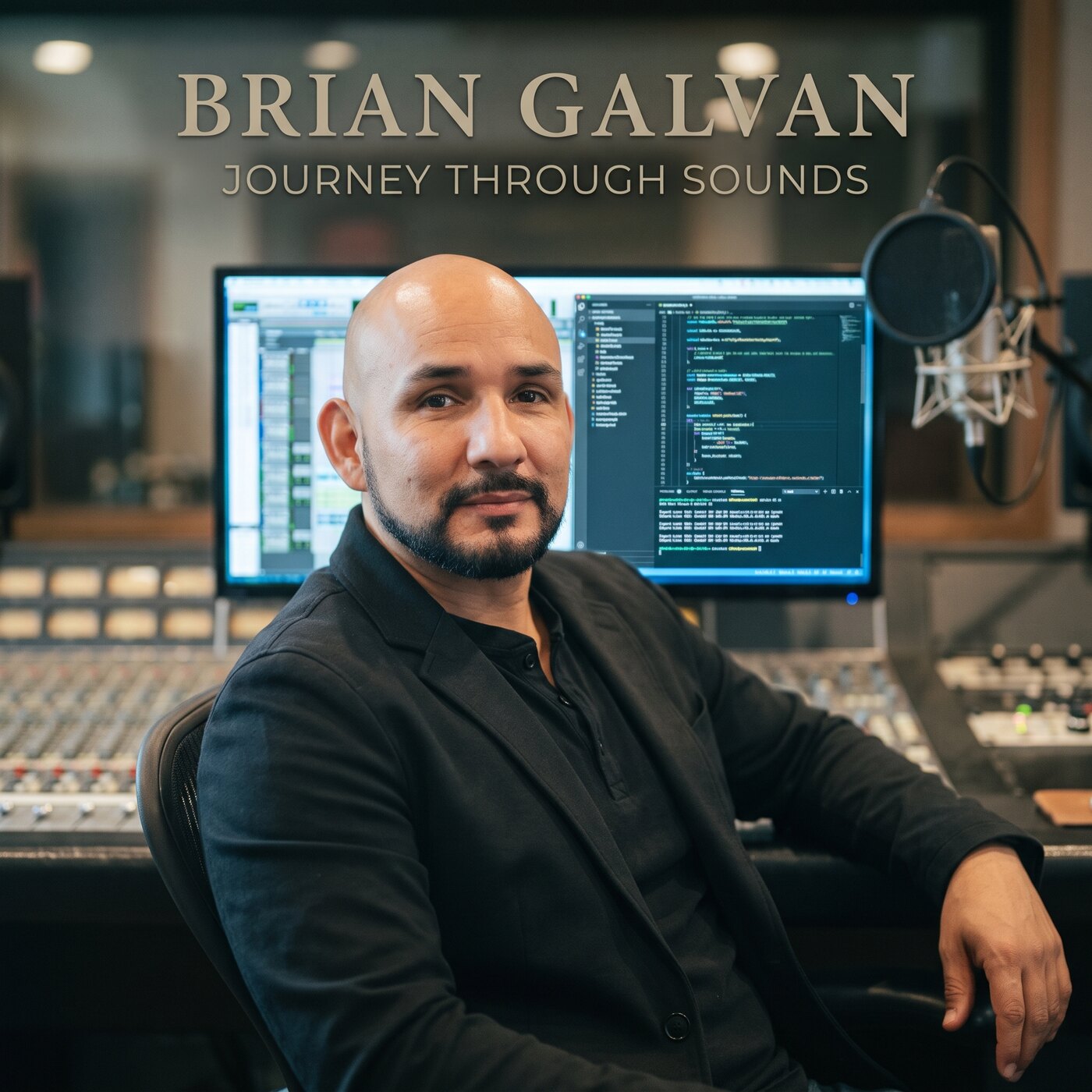
Brian Galvan is the creator of Vectra Sounds. A social dancer and a fan of many genres, he listens to music from all over the world, and his work in IT and his travels have taken him across the globe, where many countries and people have influenced him. His album Plus Ultra tells the story of Spain in cinematic scores, with no vocals. Every track is original music made with AI music tools. Every track has its own page.
Music written for films, or in the style of film scores, to tell a story and stir emotion. It is usually orchestral and mostly instrumental, often with choir, big percussion and synthesizers, and you hear it in films, trailers, video games, concerts and streaming playlists.
Not exactly. A film score is written for one film and timed to its scenes. Cinematic music is the wider sound that grew from it, including trailer music, video game scores and epic music.
Trailer-style music made for listening on its own: a big orchestra, choir and drums with modern sounds. It grew out of trailer music libraries in the 2000s, and Two Steps from Hell became its best-known name.
Max Steiner, Erich Wolfgang Korngold, Bernard Herrmann, Ennio Morricone and John Williams, and today Hans Zimmer and Howard Shore. In Spain, Alberto Iglesias and Javier Navarrete.
A streaming app for the next generation of music.