Kizomba
The Luanda original: a close embrace, circular movement and smooth walking steps to slow, romantic music, improvised rather than choreographed.

Genre guide
Angola's slow, close-embrace dance music: semba slowed down and blended with zouk in Luanda, carried through Lisbon's nightclubs to dance floors around the world.
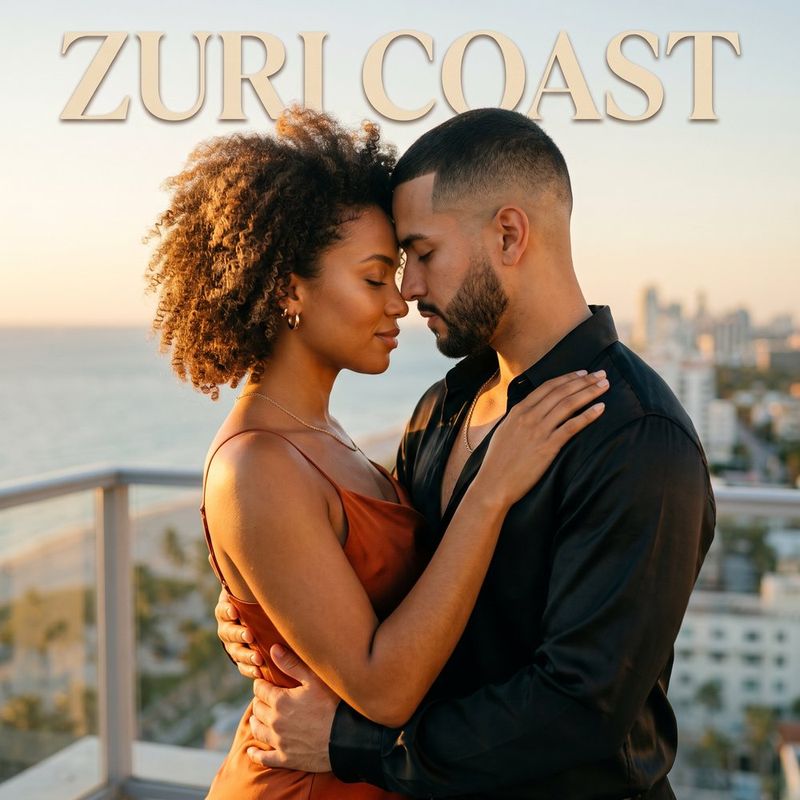
Kizomba is a music genre and partner dance from Angola. It grew out of semba in the late 1970s and 1980s, when musicians slowed the rhythm down and mixed in Caribbean zouk, and the word means "party" in Kimbundu. The dance is slow and grounded, in a close embrace, built on walking steps and swaying hips.
Kizomba took shape in Luanda in the late 1970s and 1980s. Angola had been independent since 1975, semba had been the music of the city's backyard parties since the 1950s, and when synthesizers arrived musicians began to slow semba down and blend it with zouk, the fast party music that the French Antillean band Kassav' had created in the early 1980s and brought to Luanda in concert from 1985. The word kizomba means "party" in Kimbundu.
Eduardo Paím, born in Brazzaville in 1964 to Angolan parents in exile, is the musician most often named as its creator; he dates the process to about 1981 with his groups Afro Sound Star and SOS. In 1989 he moved to Lisbon and promoted the rhythm in the city's African clubs, and in the mid-1990s two teachers, the Angolan Mestre Petchú and the Cape Verdean Zé Barbosa, formalized the steps for dance schools. Portugal became the gateway to the world: a global kizomba industry grew along the salsa festival circuit in the 2000s and reached almost everywhere within a decade.
Angola answered by branding itself "the nation of kizomba" in 2013 and, on 18 April 2024, declaring kizomba national intangible cultural heritage, a step towards UNESCO recognition. The origins are still argued, between semba and zouk and between Angola and Cape Verde's passada, which is part of why the dance travels so well.
One slow embrace, several ways to dance it: the Angolan original, its parent semba, the hip-led tarraxinha and the Paris-born Urban Kiz.
The Luanda original: a close embrace, circular movement and smooth walking steps to slow, romantic music, improvised rather than choreographed.
The faster, more agile Angolan parent, danced since the 1950s; semba danced slowly to kizomba music is where the kizomba dance began.
No walking at all: partners stay very close and isolate the hips over heavy electronic bass that began as slowed-down kuduro.
The Paris style of the 2010s: straight legs, upright posture and linear figures to ghetto-zouk, tarraxinha and R&B remixes.
Cape Verdean zouk in Cape Verdean Creole, played at most kizomba parties and often mistaken for Angolan kizomba.
A harsher, percussion-led offshoot of tarraxinha from Lisbon's Afro-Portuguese communities, music first in the early 2010s, the dance later in the decade.
Persona
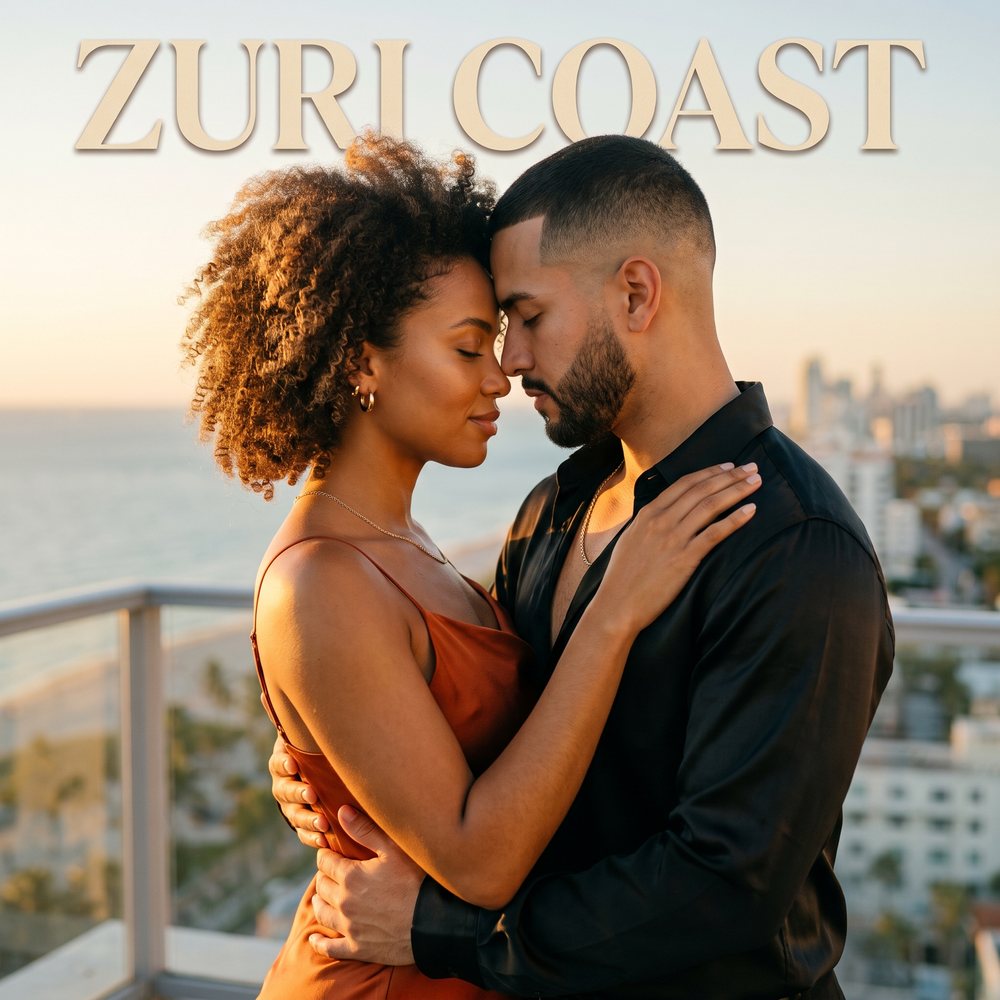
Zuri Coast is an AI persona from Vectra Sounds: a kizomba duo of two voices, Nalú and Santi. Nalú has roots in Guinea-Bissau and Panama and grew up in the United States; Santi is from Chicago, with roots in Spain and Puerto Rico. Every song is original music made with AI music tools. Every song has its own page.
Kizomba comes from Angola, and specifically from Luanda, where it developed in the 1980s out of semba and zouk. Eduardo Paím is the musician most often credited with it, and Angola declared it national intangible cultural heritage in April 2024.
No. Bachata is Dominican, played on guitars with a counted side-to-side step; kizomba is Angolan, with electronic percussion and a deep bass, danced as improvised walking in a close embrace. They are often danced at the same events but share no origin.
Mostly Portuguese, usually Angolan Portuguese. The earliest songs were in Kimbundu, many artists also sing in English, and the Cape Verdean cabo love played at kizomba parties is in Cape Verdean Creole.
The foundation is walking, led from the torso rather than the hands, with no fixed choreography. Beginners work on connection and musicality instead of memorizing figures, which makes the first steps approachable.
A streaming app for the next generation of music.