
History of Bachata Music
From the barrios and countryside of the Dominican Republic to dance floors around the world, this is how bachata went from shunned to celebrated.
The short answer
Bachata originated in the barrios and rural areas of the Dominican Republic in the early 1960s. It was born from working-class communities and also called "música de amargue" (music of bitterness).
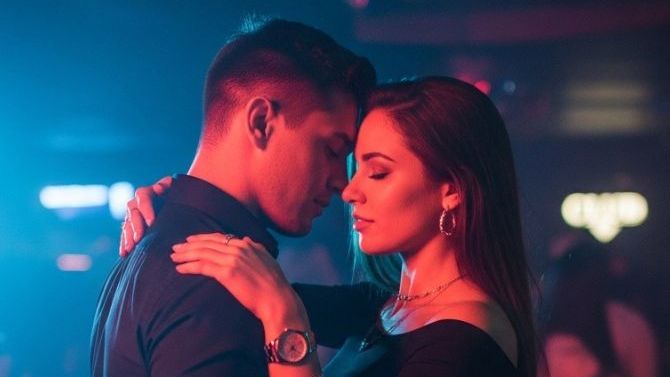
Bachata history at a glance
| Origin | Dominican Republic, early 1960s |
|---|---|
| Original meaning | "Bachata" first meant a backyard party, not a music genre |
| First recordings | José Manuel Calderón, "Borracho de amor" and "Condena," 1962 |
| Key instruments | Lead and rhythm guitars, bass, bongos and güira |
| Electric era | Blas Durán first recorded bachata with electric guitar in the 1980s |
| Mainstream breakthrough | Juan Luis Guerra's "Bachata Rosa" (December 1990), later a Grammy winner |
| UNESCO listing | Intangible Cultural Heritage of Humanity, inscribed December 2019 |
Origins: The Music of Bitterness
Bachata began in the early 1960s in the Dominican Republic, born from the working-class neighborhoods and rural communities far from the mainstream music scene. Also called "música de amargue" (music of bitterness), bachata was the voice of the marginalized, songs about unrequited love, poverty, heartbreak, and the struggles of daily life.
The genre drew from Cuban bolero, Mexican ranchera, and merengue, blending these influences into something uniquely Dominican. The earliest recordings were raw and unpolished, featuring simple guitar arrangements, bongo drums, maracas, and later the güira (a metal scraper that became bachata's signature percussion sound).
The Pioneers (1960s–1980s)
José Manuel Calderón is widely credited with recording the first bachata songs in 1962, "Borracho de Amor" and "Condena", though the genre wasn't yet called "bachata." Through the 1960s and 70s, artists like Luis Segura ("El Añoñaíto") carried the torch, writing hundreds of songs despite being ignored by mainstream Dominican media.
During this era, bachata was actively discriminated against. Most radio stations refused to play it, bachata artists often had to pay to make their own records, and the upper classes considered it vulgar music of the poor. Bachata survived through cheap records, jukeboxes, Radio Guarachita, and live performances in bars, colmados (corner stores), and neighborhood gatherings.
The Golden Age (1980s–1990s)
The 1980s brought a transformation. Blas Durán introduced the electric guitar to bachata, giving it a harder, more modern edge. Luis Vargas and Antony Santos brought a new energy and flashier style by the early 1990s, becoming the first generation of pop bachata stars. The güira became more prominent, and the tempo picked up.
But the true revolution came in 1990 when Juan Luis Guerra, already a mainstream Dominican superstar, released "Bachata Rosa." This Grammy-winning album helped legitimize bachata. The genre that had been dismissed for decades began to reach the mainstream. It cracked open the door for bachata's acceptance in Dominican high society and on international stages.
Global Explosion (2000s)
The 2000s saw bachata go global. The group Aventura, led by Romeo Santos, fused bachata with R&B, hip-hop, and pop, creating a sound that resonated with younger, bilingual audiences. Their 2002 hit "Obsesión" topped charts across Europe, and their 2003 album "Love & Hate" went platinum.
Romeo Santos went solo in 2011 and became one of the biggest bachata artists in history, selling out stadiums across the Americas and earning the title "King of Bachata." Artists like Prince Royce further pushed bachata into mainstream pop territory, while Toby Love mixed traditional and urban bachata and Frank Reyes became known as the "Prince of Bachata".
Modern Bachata (2010s–Present)
Today's bachata scene is more diverse than ever. The genre has split into several subgenres:
- Sensual Bachata
A dance-driven movement from Spain emphasizing body waves and musical interpretation - Bachata Típico
A revival of the original Dominican sound with raw guitar and fast footwork - Bachata Moderna
A blend of traditional bachata with modern production techniques - Bachata Urbana
Influenced by reggaeton and urban Latin music
The bachata dance scene has exploded globally, with social dancing, festivals, and congresses happening in many cities around the world. What began as marginalized music in Dominican barrios is now one of the world's most beloved genres of music and dance.
Bachata on Vectra Sounds
At Vectra Sounds, we honor bachata's rich history by creating original tracks that explore its many styles. Our Pulso Bachata channel features everything from smooth sensual bachata to guitar-forward típico sounds, all original compositions made for the dance floor.
How Did Trujillo's Fall Shape Bachata?
Bachata's start date is tied to Dominican politics. Dictator Rafael Trujillo despised the music. According to historian Deborah Pacini Hernandez, he wanted all music played in public to reflect a modern society, and bachata's often poor, rural players did not fit that image.
Trujillo was killed in 1961, and the country opened up. Strict migration rules had kept rural Dominicans in place; afterward, many moved to Santo Domingo and kept playing their guitar music there. A local recording industry grew at the same time, and studios recorded bachata for musicians who could pay for the session. José Manuel Calderón's 1962 recordings came out of this new scene.
Airplay stayed scarce. Radhamés Aracena's Radio Guarachita, launched on 690 AM in 1965, was among the first stations to play bachata, and Aracena went on to record and release it on his own labels. Bachateros also sold cheap records that colmados played on jukeboxes.
The stigma outlived the dictator. As late as 1988, Pacini Hernandez wrote, no bachata record had appeared on a published hit parade list or been sold in the principal record stores, however well it sold.
Frequently asked questions
Where did bachata originate?
Bachata originated in the barrios and rural areas of the Dominican Republic in the early 1960s. It was born from working-class communities and also called "música de amargue" (music of bitterness).
Who recorded the first bachata song?
José Manuel Calderón is widely credited with recording the first bachata songs in 1962, "Borracho de Amor" and "Condena."
How did bachata become popular worldwide?
Bachata went global in the 2000s through the group Aventura, led by Romeo Santos, who fused bachata with R&B and hip-hop. Their hit "Obsesión" topped charts across Europe.
What are the main styles of bachata today?
Modern bachata includes sensual bachata (body waves, musical interpretation), bachata típico (original Dominican guitar-driven style), bachata moderna, and bachata urbana (influenced by reggaeton).
Sources
- Deborah Pacini Hernandez, Bachata: A Social History of a Dominican Popular Music (excerpt, archived)
- The Humble Roots Of Old-School Bachata, NPR (2008)
- Bachata (music), Wikipedia
- José Manuel Calderón (musician), Wikipedia
- Luis Gonzaga Segura, Wikipedia en español
- Luis Segura plasma su legado en último álbum, El Nacional
- El origen de la bachata genera controversia, Diario Libre (2019)
- Bachata Rosa, Wikipedia
- Juan Luis Guerra, Wikipedia
- Aventura (band), Wikipedia
- Obsesión (Aventura song), Wikipedia
- Love & Hate (Aventura album), Wikipedia
- Romeo Santos, Wikipedia
- Romeo Santos makes history as the first Latin artist to headline MetLife Stadium, CNN (2019)
- Toby Love, Wikipedia
- Frank Reyes, Wikipedia
- Bachata (dance), Wikipedia
- Radio Guarachita, Wikipedia
- Decision 14.COM 10.b.10 (Bogotá, December 2019), UNESCO