
Why Was Bachata Illegal? The Real Story Behind the Myth
Bachata was never actually illegal, but for decades Dominican radio, television and the elite shut it out. Here is what really happened, and how bachata won.
The short answer
Bachata wasn't technically illegal by written law, but after the Trujillo dictatorship (1930-1961) it was effectively boycotted by mainstream radio and TV and kept out of upscale venues into the 1980s. Elites scorned it for its association with the poor, its raw lyrics, and the bars and brothels where it was played.
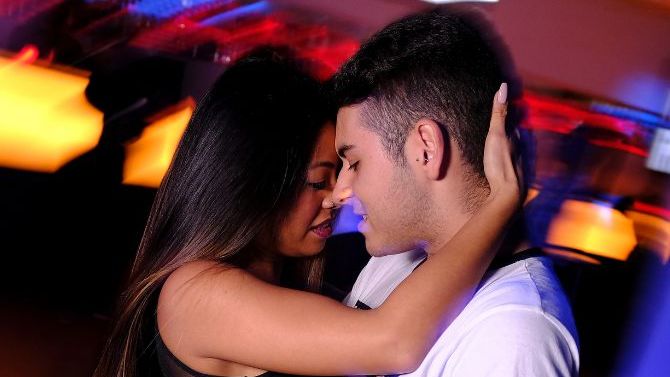
Was Bachata Ever Banned? Not by Law
Bachata was never technically "illegal" by written law, there was no Dominican statute that said "bachata is prohibited." But in practice, it was effectively boycotted by mainstream radio, television, upscale venues, and mainstream culture from the 1960s through the 1980s.
The suppression came from three powerful forces working together:
- Political censorship
Dictator Rafael Trujillo controlled the media, despised the music, and promoted merengue instead - Class prejudice
The Dominican elite dismissed it as vulgar "music of the poor" - Moral objections
The middle and upper classes denounced the music as vulgar and sensual
The result? For roughly three decades, bachata existed only in the margins, in rural campos, urban barrios, brothels, and bars. The music that millions of Dominicans loved was treated like a shameful secret.
The Trujillo Era: The Dictator Who Despised Bachata
Rafael Trujillo ruled the Dominican Republic with an iron fist from 1930 to 1961. He controlled every aspect of Dominican life, including what music people were allowed to hear.
Trujillo had a specific vision for Dominican identity: he wanted all music played publicly to reflect a modern society. He promoted merengue as the national music, it was energetic, festive, and could be presented as "sophisticated."
Bachata was the opposite of everything Trujillo wanted to project:
- It came from African and indigenous musical traditions, which clashed with his regime's racist ideology
- It was associated with the rural poor and working class, people who did not fit Trujillo's image of a modern regime
- Its lyrics were raw, emotional, and sometimes full of sexual innuendo
- It was played in bars and brothels, not in the concert halls Trujillo wanted the world to see
After Trujillo's assassination in 1961, censorship loosened, but the damage was done. The social stigma lasted for decades more.
The Stigma Behind the Word "Bachata"
At first, its own musicians didn't call it "bachata": the music was known simply as "música popular." By the early 1980s it was also known as "música de amargue", literally, "music of bitterness." The insult was the word "bachata", once the name for a backyard party, which city dwellers used as a coded way to tie the genre to:
- Poverty, only uneducated, lower-class people listened to it
- Alcohol and heartbreak, the lyrics dealt with raw emotions that polite society avoided
- Immorality, the music was played in brothels and dive bars, not respectable venues
- Vulgarity, some early lyrics were explicit, and the close dancing was seen as inappropriate
Most Dominican radio and television stations refused to play bachata well into the 1980s. Mainstream record labels shunned bachata, so its musicians built their own system for making and selling records. The music industry treated the genre as if it didn't exist.
This is what makes bachata's eventual rise to global stardom so remarkable. It didn't succeed because of industry support, it succeeded despite mainstream industry rejection.
Is It a Sin to Dance Bachata?
This question comes up a lot, especially in Christian and conservative communities. The short answer: no, dancing bachata is not a sin.
The Bible doesn't specifically prohibit any form of dance. In fact, the Bible contains multiple examples of dancing as worship and celebration (2 Samuel 6:14, Psalm 149:3). The question isn't really about dance itself, it's about intent and context.
Here's how different perspectives break down:
🚫 The Conservative View
Some conservative religious groups argue that bachata's close physical contact, hip movements, and romantic atmosphere can lead to lustful thoughts and temptation. They see the dance as a "near occasion of sin", not sinful itself, but creating conditions where sin becomes more likely.
✅ The Mainstream View
Most Christians who dance bachata distinguish between artistic expression and sinful intent. The close connection in bachata is about communication, musicality, and shared movement, not sexual behavior. Millions of people worldwide dance bachata at socials, festivals, and studios without any moral conflict.
The bottom line: Bachata is a dance form, an art. Like any art, its moral character depends on the people doing it and their intentions. A waltz can be danced inappropriately. Bachata can be danced with complete respect and artistry. It's about the dancers, not the dance.
Is Dancing Bachata with Another Girl Cheating?
Another common question with a simple answer: social dancing is not cheating.
Bachata is a social dance, like salsa, tango, swing, or any partner dance. At a bachata social or festival, you dance with many different people throughout the night. That's the entire point, it's a social activity, not a romantic one.
Here's why experienced dancers don't see it as cheating:
- It's an art form
The connection is about lead/follow communication, not romance - It's public
Social dancing happens in studios, clubs, and festivals with everyone watching - Boundaries exist
Respectful dancers maintain appropriate boundaries always - Many couples dance together
The dance community is full of couples who both dance with others
That said, communication with your partner matters. If your partner isn't comfortable with social dancing, that's a conversation worth having. Many couples start taking bachata classes together and discover it actually strengthens their relationship through shared connection.
What Dance Is the Most Intimate?
Bachata is often called the "dance of love", but how does it compare to other intimate dances? Here's the full breakdown:
| Dance | Origin | Type of Intimacy | Physical Closeness |
|---|---|---|---|
| Bachata | Dominican Republic | Romantic & flowing | ⭐⭐⭐⭐ |
| Argentine Tango | Buenos Aires | Emotional & dramatic | ⭐⭐⭐⭐ |
| Kizomba | Angola | Physical & rhythmic | ⭐⭐⭐⭐⭐ |
| Sensual Bachata | Spain (modern) | Body waves & isolations | ⭐⭐⭐⭐⭐ |
| Zouk | Caribbean | Flowing & organic | ⭐⭐⭐⭐ |
Kizomba is often considered the most physically intimate social dance due to its constant close embrace (the "Kizomba hug"). Argentine Tango has the deepest emotional connection through improvisation and non-verbal communication. Bachata, especially sensual bachata, blends both physical closeness and emotional expression.
All three can be danced with complete respect and artistry. Intimacy in dance ≠ sexual behavior. The world's best dancers demonstrate incredible connection while maintaining professionalism.
From Shunned to UNESCO Heritage: The Greatest Comeback in Music
Bachata's journey from "worthless music of the poor" to UNESCO Intangible Cultural Heritage (2019) might be the greatest comeback story in music history.
Key turning points that broke the stigma:
- Juan Luis Guerra (1990)
His album "Bachata Rosa" brought bachata into the Dominican mainstream, proving the genre could be "sophisticated" - Aventura (2002), "Obsesión" became a #1 hit in Italy, France, Germany and other European countries, taking bachata global
- Romeo Santos (2011+)
Sold out Yankee Stadium (2014), collaborated with Usher and Drake, and made bachata a fixture of global pop - UNESCO recognition (2019)
The music and dance of Dominican Bachata officially declared Intangible Cultural Heritage of Humanity
Today, bachata is danced in cities all over the world. There are bachata dance schools, festivals, and communities around the world. The genre that was once called vulgar and worthless is now celebrated as one of humanity's great cultural achievements.
The people who created bachata, the Afro-Dominican communities, the rural poor of the Dominican countryside , were right all along. The elite who tried to suppress it were wrong.
Bachata won.
Was Bachata Ever Illegal? What Really Happened
Short answer: no. No law or decree ever made bachata illegal. What it faced was scorn from the middle and upper classes and a boycott by mainstream media. Historian Deborah Pacini Hernandez, author of a social history of the genre, writes that bachata "was effectively boycotted by the mainstream media."
The dates matter too. Dictator Rafael Trujillo was assassinated in May 1961, and the first recognized bachata record, José Manuel Calderón's "Borracho de amor," came out in 1962. Trujillo despised the music of poor, rural Dominicans and promoted merengue, but the boycott of bachata itself came after his death:
- Radio: only one Santo Domingo station, Radio Guarachita, would play it, and in rural areas it aired only on pre-dawn programs.
- Live music: it was performed in neighborhood bars that "respectable" people avoided.
- Television: as late as the 1980s it was considered too vulgar for Dominican TV and radio.
The tide turned in the 1980s, when popular demand pushed more stations to play it, and in 1990, when Juan Luis Guerra's album Bachata Rosa brought bachata into the Dominican mainstream. In 2019, UNESCO added the music and dance of Dominican bachata to its list of the Intangible Cultural Heritage of Humanity.
Frequently asked questions
Why was bachata illegal?
Bachata wasn't technically illegal by written law, but after the Trujillo dictatorship (1930-1961) it was effectively boycotted by mainstream radio and TV and kept out of upscale venues into the 1980s. Elites scorned it for its association with the poor, its raw lyrics, and the bars and brothels where it was played.
Why was bachata banned in the past?
Three reasons: (1) political censorship under Trujillo, who promoted merengue instead, (2) class prejudice, it was dismissed as "low-class" music, and (3) perceived vulgarity in its lyrics and close dancing style.
Is it a sin to dance bachata?
No. The Bible doesn't prohibit dance. While some conservative groups object to bachata's closeness, most Christians distinguish between artistic expression and sinful intent. The dance's intimacy is about connection and musicality, not immorality.
Is dancing bachata with another girl cheating?
Social dancing is not cheating. Bachata is a social dance like salsa or tango, the connection is artistic, not romantic. However, communicate with your partner about boundaries.
What dance is the most intimate?
Bachata, Argentine Tango, and Kizomba are the three most intimate social dances. Kizomba has the closest physical embrace, Tango the deepest emotional connection, and Bachata blends both.
What race invented bachata?
Bachata was created by Afro-Dominican and other poor and working-class communities in the Dominican Republic in the early 1960s, blending African rhythmic traditions with Spanish guitar and indigenous Taíno elements.
Sources
- Dominican Bachata, by Deborah Pacini Hernandez (ReVista, Harvard DRCLAS)
- Bachata: A Social History of a Dominican Popular Music (Temple University Press)
- The Humble Roots Of Old-School Bachata (NPR, via WAMC)
- How bachata rose from Dominican Republic's brothels and shantytowns to become a global sensation (The Conversation)
- How bachata, the music of poor Black Dominicans, became a global sensation (Scroll.in, republished from The Conversation)
- Bachata (music) - Wikipedia
- Bachata (dance) - Wikipedia
- Music and dance of Dominican Bachata (UNESCO)
- Bachata Legends (WOMEX)
- Rafael Trujillo - Wikipedia
- Merengue music - Wikipedia
- Music of the Dominican Republic - Wikipedia
- José Manuel Calderón (musician) - Wikipedia
- Bachata Rosa - Wikipedia
- Obsesión (Aventura song) - Wikipedia
- Romeo Santos - Wikipedia
- 2 Samuel 6:14 and Psalm 149:3 (Bible Gateway, KJV)
- Kizomba - Wikipedia
- Argentine tango - Wikipedia
- Brazilian Zouk - Wikipedia