
Is Bachata Dominican or Mexican?
Bachata is Dominican: born in the Dominican Republic and first recorded there in 1962. So why do so many people think it is Mexican? Here is the full answer.
The short answer
Bachata is Dominican, not Mexican. It was born in the Dominican Republic in the 1960s. While bachata is hugely popular in Mexico today, it originated entirely in Dominican barrios and rural communities.
The Verdict: Bachata Is Dominican
Bachata is 100% Dominican
Bachata was born in the Dominican Republic in the early 1960s. It is not Mexican, Cuban, or Puerto Rican. It is Dominican in origin, sound, rhythm, and cultural identity.
There is zero debate among music historians: bachata originated in the Dominican Republic. The first bachata songs were recorded by José Manuel Calderón in 1962. The genre grew entirely within Dominican barrios and rural communities for decades before spreading internationally. Learn the full story of where bachata originated.
Is Bachata a Dominican Dance?
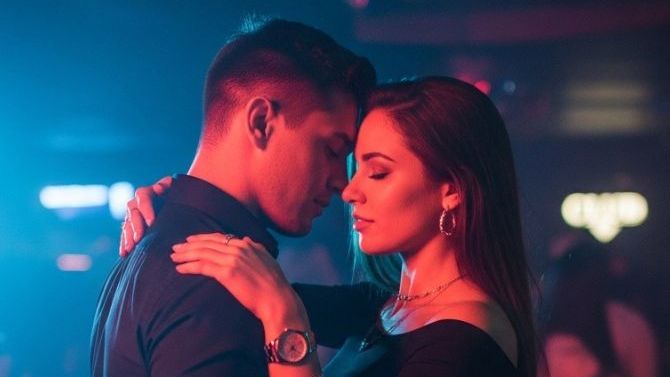
Yes, bachata is a Dominican dance. Both the music and the dance originated in the Dominican Republic. The basic bachata step, danced in a close embrace within a small square, with a tap on the 4th step, was developed in Dominican dance halls, colmados (corner stores), and backyard parties in the 1960s and 70s.
The dance evolved alongside the music:
- Traditional Dominican style, Close embrace, simple footwork, hip movement, danced in a small space
- Modern/Western style, More open, with turns and patterns, popularized in dance schools
- Bachata sensual, Body waves and isolations, developed in Spain in the mid-2000s
While sensual bachata was created by European dancers, the foundation, the music, the rhythm, the basic step , is entirely Dominican.
Is Bachata Music Mexican? No, Here's Why
Bachata music is not Mexican. It is Dominican. However, one of bachata's musical influences was Mexican ranchera, a song form that rural Dominican musicians were already playing before bachata took shape. This is likely one reason people sometimes associate bachata with Mexico.
The key differences between bachata and Mexican music:
| Feature | Bachata 🇩🇴 | Ranchera 🇲🇽 |
|---|---|---|
| Origin | Dominican Republic | Mexico |
| Rhythm | 4-beat with güira & bongó | 2/4, 3/4 or 4/4 with trumpets |
| Key instrument | Requinto guitar | Mariachi ensemble |
| Dance style | Partner dance, side-to-side | Solo or group, zapateado |
| Themes | Heartbreak, love, poverty | Love, patriotism, rural life |
| Tempo | Moderate, danceable | Varies widely |
While ranchera influenced bachata's storytelling tradition, the two genres sound completely different. Bachata's signature sound, the güira, bongó drums, and requinto guitar, is uniquely Dominican.
Why People Confuse Bachata With Mexican Music
There are a few reasons why this misconception exists:
- Ranchera influence, Bachata borrowed storytelling elements from Mexican ranchera, so casual listeners may hear similarities
- Massive popularity in Mexico, Bachata is hugely popular in Mexico today, leading some to assume it originated there
- Spanish language, Both are sung in Spanish, and non-Spanish speakers may group all Spanish-language music together
- Latino umbrella, In the US, "Latin music" is often treated as one category, blurring the distinct origins of each genre
- Romeo Santos tours, Romeo Santos sells out massive venues in Mexico, making bachata feel "Mexican" to those audiences
What Ethnicity Dances Bachata?
Bachata was created by Dominicans, but today it's danced by people of every ethnicity worldwide. The global bachata dance scene is one of the most diverse communities in partner dancing.
- Dominican Republic, Where it all started; bachata is danced at every social gathering
- Mexico & Central America, Bachata scenes in Mexico City, Monterrey, Guadalajara
- United States, Popular in cities with Dominican/Latino communities: New York, Miami, Los Angeles
- Spain, A major bachata dance scene, birthplace of bachata sensual
- Italy, France, Germany, Growing European scenes with weekly socials and festivals
- South Korea & Japan, Active Asian bachata communities
- Australia & Egypt, Emerging scenes proving bachata truly has no borders
In 2026, bachata is danced in countries around the world by people of every background. It has transcended its Dominican origins to become a truly global dance, much like salsa did before it. Compare the two in our bachata vs salsa guide.
What Is Dominican Dancing Called?
The Dominican Republic has given the world several iconic dance styles. If you're curious about Dominican dancing, here are the main styles:
- Merengue, The national dance of the DR. Fast-paced, energetic, with a simple marching step. UNESCO recognized it as Intangible Cultural Heritage
- Bachata, The romantic, guitar-driven dance born in the 1960s. Now danced by partner dancers around the world
- Dembow, The modern urban Dominican dance style, driven by heavy bass and rapid rhythms. Related to reggaeton
- Mangulina, A traditional folk dance associated today with the Dominican south
- Carabiné, A traditional group dance led by a caller (bastonero), whose origins are still debated
Of these, merengue and bachata are by far the most well-known internationally. Both are danced in Latin dance scenes worldwide alongside salsa.
Does Mexico Have Bachata?
Yes, Mexico has a big bachata following. But that doesn't make bachata Mexican. Just as Japan has amazing Italian restaurants without Italian food being Japanese, Mexico has a thriving bachata culture without bachata being a Mexican genre.
Bachata's popularity in Mexico includes:
- Romeo Santos stadium tours, He has drawn stadium crowds in Mexico, including 48,298 fans at the Foro Sol in 2015
- Dance schools, Bachata classes in major Mexican cities
- Social dancing, Free bachata workshops even run in Mexico City's Chapultepec park
- Mexican bachata artists, Mexican stars have recorded bachata, such as Thalía's 2006 hit "No, No, No" with Romeo Santos
Mexico's love for bachata is a huge compliment to the genre's creators, the Dominican people. It proves that great music crosses all borders. Learn about the full history of bachata's journey from Dominican barrios to global dance floors.
Frequently asked questions
Is bachata Dominican or Mexican?
Bachata is Dominican, not Mexican. It was born in the Dominican Republic in the 1960s. While bachata is hugely popular in Mexico today, it originated entirely in Dominican barrios and rural communities.
Is bachata a Dominican dance?
Yes, bachata is a Dominican dance. Both the music and dance originated in the Dominican Republic. The basic step, partner connection, and musical rhythms were all developed in Dominican communities.
Is bachata music Mexican?
No, bachata music is not Mexican. It is Dominican. The confusion arises because Mexican ranchera was one of bachata's influences and because bachata is extremely popular in Mexico. But the genre was created in the Dominican Republic.
What ethnicity dances bachata?
Bachata was created by Dominicans, but today it is danced by people of all ethnicities in countries around the world. It has well-known scenes in the Dominican Republic, Mexico, the US, Spain, Italy, South Korea, and across Europe.
What is Dominican dancing called?
The main Dominican dances are merengue (the national dance), bachata (the romantic guitar-driven dance), and dembow (the modern urban style). Merengue and bachata are the most well-known internationally.
Does Mexico have bachata?
Yes, Mexico has a big bachata following, with dance schools, festivals, and massive concert tours. However, bachata was not created in Mexico, it is Dominican in origin.
Sources
- Bachata (music) - Wikipedia
- Bachata (dance) - Wikipedia
- Music and dance of Dominican Bachata (UNESCO)
- Music and dance of the merengue in the Dominican Republic (UNESCO)
- Bachata: A Social History of a Dominican Popular Music (Temple University Press)
- Dominican Bachata, by Deborah Pacini Hernandez (ReVista, Harvard DRCLAS)
- How bachata rose from Dominican Republic's brothels and shantytowns to become a global sensation (The Conversation)
- José Manuel Calderón (musician) - Wikipedia
- Ranchera - Wikipedia
- Mariachi - Wikipedia
- Merengue music - Wikipedia
- Dominican dembow - Wikipedia
- Danzas y bailes de una cultura que evoluciona (Acento)
- Foro Sol - Wikipedia
- Romeo Santos, el Rey de la Bachata, llega a la CDMX con imperdible concierto (Chilango)
- Septiembre se baila en Chapultepec: taller de bachata gratuito (Posta)
- No, No, No (Thalía song) - Wikipedia
- Thalía - Wikipedia
- Bachata schools in Madrid (Goandance directory)
- Dancing to passionate rhythms: A look into Korea's vibrant Latin dance scene (The Korea Times)